


Creating a relaxing home workspace is essential for maintaining focus and productivity, especially as many people continue to work remotely. A well-designed workspace supports concentration, reduces stress, and makes working from home more enjoyable. Whether you have a dedicated office room or just a small corner, these tips will help you build a calming environment that inspires you to do your best work.
1. Choose the Right Location
Selecting the right spot for your workspace is the foundation of creating a relaxing environment. Ideally, pick a quiet area away from everyday distractions like the kitchen or TV. If possible, find a space near a window that offers natural light and fresh air. Natural light helps regulate your body clock and improves mood, which can greatly enhance productivity.
Avoid placing your desk in cramped or cluttered areas. Make sure there is enough room to move around comfortably and store your work materials. If you don’t have a separate room, consider using room dividers or curtains to separate your workspace visually from the rest of your home.
2. Invest in Ergonomic Furniture
Comfort is key to staying focused for long periods. Invest in a good ergonomic chair that supports your lower back and encourages proper posture. A desk with adjustable height or one with enough surface space to keep your monitor at eye level can help prevent strain on your neck and shoulders.
Consider adding accessories like a footrest, wrist pads, or a standing desk converter to further improve comfort. Comfortable furniture reduces fatigue and keeps you feeling refreshed throughout the day.
3. Declutter and Organize Your Space
A cluttered workspace can lead to a cluttered mind. Keep your desk tidy by removing unnecessary items and organizing your supplies. Use storage solutions such as shelves, drawers, or organizers to keep papers, stationery, and gadgets in their place.
Try to maintain a minimalist approach, keeping only what you truly need on your desk. This helps reduce distractions and allows your mind to focus more easily.
4. Add Calming Colors and Decor
Colors influence mood and productivity. Soft, neutral colors like light blues, greens, and earth tones create a soothing atmosphere and reduce stress. You can paint your workspace walls or use décor items in calming colors to enhance relaxation.
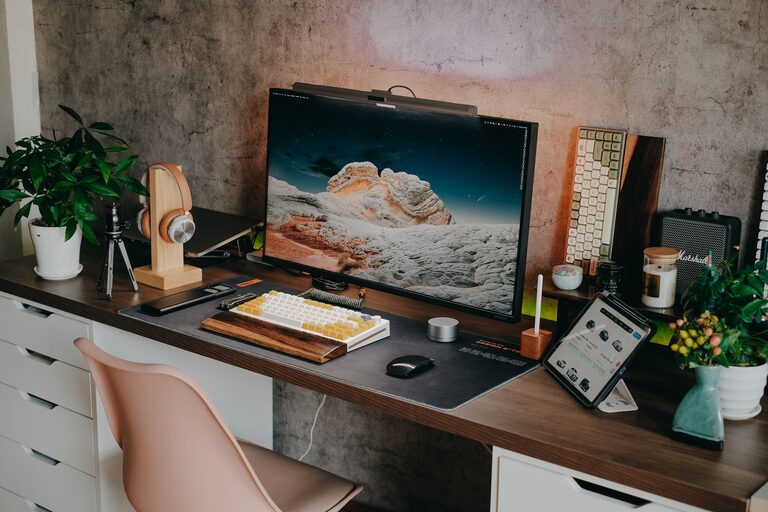
Incorporate elements from nature, such as small plants, natural wood accents, or nature-inspired artwork. Indoor plants also improve air quality and add a touch of freshness, contributing to a peaceful workspace.
5. Manage Lighting Effectively
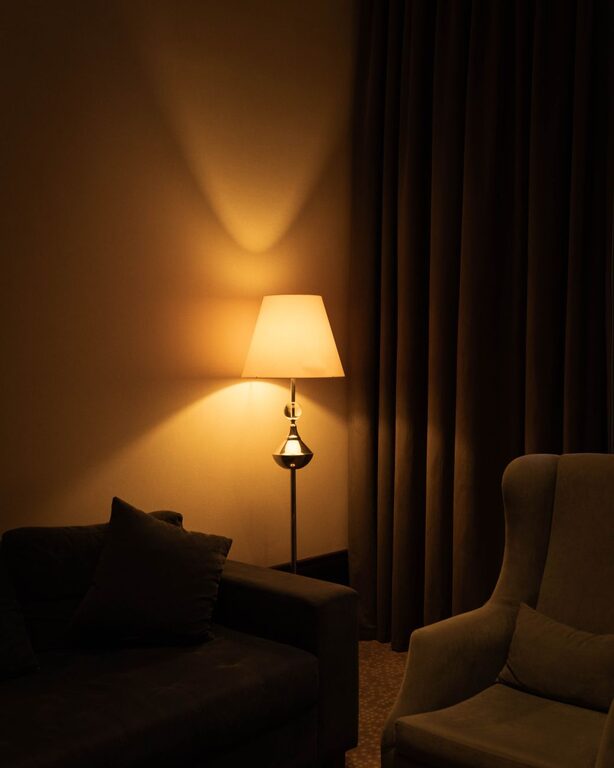
Good lighting is crucial for reducing eye strain and maintaining alertness. Besides maximizing natural light, supplement your workspace with soft, warm artificial lighting. Avoid harsh overhead lights or glare from screens.
A desk lamp with adjustable brightness can help you tailor your light levels throughout the day. Position your light source to minimize shadows and reflections on your computer screen.
6. Control Noise Levels
Some background noise is inevitable at home, but excessive noise can disrupt your focus. Consider noise-cancelling headphones if you work in a noisy environment, or use white noise machines or calming music playlists to mask distractions.
If possible, set boundaries with family members or housemates regarding your work hours to minimize interruptions.
7. Personalize Your Workspace
Personal touches make your workspace inviting and motivate you to stay productive. Display photos, inspirational quotes, or items that make you happy. However, avoid overcrowding your desk with too many personal items to maintain a clean, focused environment.
8. Establish a Routine and Breaks
A relaxing workspace supports but doesn’t replace good work habits. Set clear work hours, and schedule regular breaks to stretch, walk, or relax your eyes. Use timers or apps to remind you to take short breaks and avoid burnout.
9. Keep Air Quality and Temperature Comfortable
Fresh air and a comfortable temperature can enhance your overall focus. If possible, open windows periodically for ventilation. Use fans or heaters to maintain a steady and comfortable temperature, avoiding anything too hot or too cold that can cause distraction.
—
Creating a relaxing home workspace is about balance — combining comfort, organization, aesthetics, and good habits to create an environment where you can thrive. Start with these tips, and adapt your space as your needs and preferences evolve. A thoughtful workspace can lead to better concentration, reduced stress, and increased productivity in your day-to-day work life.